Life On Land

Universitas Islam Indonesia (UII) champions sustainable practices and environmental education as integral parts of its mission, with a strong emphasis on supporting land ecosystems through dedicated educational initiatives, direct action, and responsible waste management. UII’s multi-faceted approach underscores its commitment to SDG 15: Life on Land, fostering a culture of stewardship that benefits both the university community and the wider region.
In its educational efforts, UII empowers students, faculty, and the local community with knowledge and skills to protect land ecosystems. Through programs like the Bachelor’s degree in Environmental Engineering and environmental courses within the International Relations curriculum, UII equips future leaders with an understanding of complex ecological challenges. Additionally, by hosting the International Conference on Sustainable Built Environment, UII promotes awareness on topics such as energy efficiency and ecosystem conservation, inspiring collective responsibility toward sustainable development goals. These efforts extend beyond the classroom through outreach programs, workshops, and community initiatives aimed at educating the public on sustainable land management, biodiversity, and environmental protection.
UII’s commitment to land ecosystems is further reflected in hands-on conservation initiatives and partnerships with local communities. From large-scale tree-planting campaigns to preliminary research aimed at conserving natural habitats, UII actively contributes to the preservation and restoration of local green spaces. These projects are developed in collaboration with stakeholders, including local governments and NGOs, ensuring that the university’s environmental actions are both inclusive and impactful. By incorporating biodiversity considerations into its campus planning and addressing the issue of invasive species, UII demonstrates a forward-thinking approach to sustaining local ecosystems.
In terms of waste disposal, UII implements policies that prioritize environmental health, specifically land-sensitive waste management strategies. Recognizing the threat of pollution to ecosystems, the university has set preliminary guidelines for plastic waste reduction and responsible disposal of hazardous materials. These foundational policies support UII’s goal of minimizing ecological impact and promoting sustainable waste practices across campus, which are vital for protecting terrestrial habitats and supporting biodiversity.
Through its commitment to education, conservation actions, and environmentally responsible waste disposal, UII fosters a culture of sustainability that directly contributes to the health of local ecosystems. This holistic approach positions the university as a leader in environmental stewardship, creating a blueprint for sustainable campus practices and community collaboration in the preservation of our planet’s natural landscapes.
UII’s Efforts in Supporting Land Ecosystems through Education
Promoting Conservation and Sustainable Land Use
UII actively promotes environmental sustainability and capacity-building through its annual International Conference on Sustainable Built Environment (ICSBE). Organized by the Faculty of Civil Engineering and Planning, this event brings together experts, academics, and practitioners to discuss innovative approaches to sustainable development. A central focus of the conference is energy efficiency and sustainable land-use practices, which are critical for mitigating environmental degradation.
The ICSBE aligns with SDG 15: Life on Land by addressing the conservation of terrestrial ecosystems, advocating for the sustainable management of forests, and exploring strategies to prevent land degradation. Through sessions that highlight best practices and emerging technologies, the conference encourages the implementation of policies and projects that protect natural habitats and biodiversity.
In addition to advancing global knowledge, the ICSBE fosters interdisciplinary collaboration, enabling stakeholders to design solutions that balance development needs with ecological preservation. By leveraging its platform, UII emphasizes the importance of sustainability in land management, contributing to the broader goal of creating resilient ecosystems.
This conference exemplifies UII’s dedication to capacity-building and thought leadership, ensuring that environmental stewardship remains a priority in academic and professional discourse. Through initiatives like ICSBE, UII continues to support sustainable practices that enhance the well-being of current and future generations.
Sustainable Food Sourcing Policy
Since 2015, UII has implemented policies to ensure that food served on campus is sourced from sustainable farming practices. These policies reflect the university’s commitment to promoting responsible agricultural sourcing, reducing its environmental footprint, and fostering ethical consumption. By prioritizing sustainably farmed produce, UII demonstrates leadership in sustainable agriculture and supports practices that protect soil health and biodiversity.
This initiative aligns with SDG 15: Life on Land, particularly in advancing sustainable land management and preventing land degradation. By collaborating with local suppliers who adhere to sustainable farming methods, UII contributes to the preservation of natural ecosystems while supporting local economies.
Through educational campaigns and partnerships, UII raises awareness among students, staff, and the broader community about the importance of sustainable agriculture. This approach not only ensures healthier food options but also strengthens UII’s role in advocating for practices that minimize environmental impact.
The university’s policies highlight the interconnectedness of food systems, environmental sustainability, and community well-being. UII’s efforts to champion sustainable farming practices underscore its broader commitment to ecological stewardship and responsible land-use management.
Direct Ecosystem Conservation Efforts
UII has initiated foundational research efforts to address the conservation and expansion of threatened ecosystems. These early-stage initiatives reflect the university’s proactive approach to preserving biodiversity and protecting natural habitats. While still under development, they underscore UII’s recognition of the urgent need for ecological preservation and its commitment to fostering environmental resilience.
The university’s research focuses on identifying critical ecosystem vulnerabilities and exploring sustainable methods to mitigate threats. These initiatives lay the groundwork for a more robust and strategic response to biodiversity challenges, aligning with UII’s long-term vision for sustainable ecosystem management.
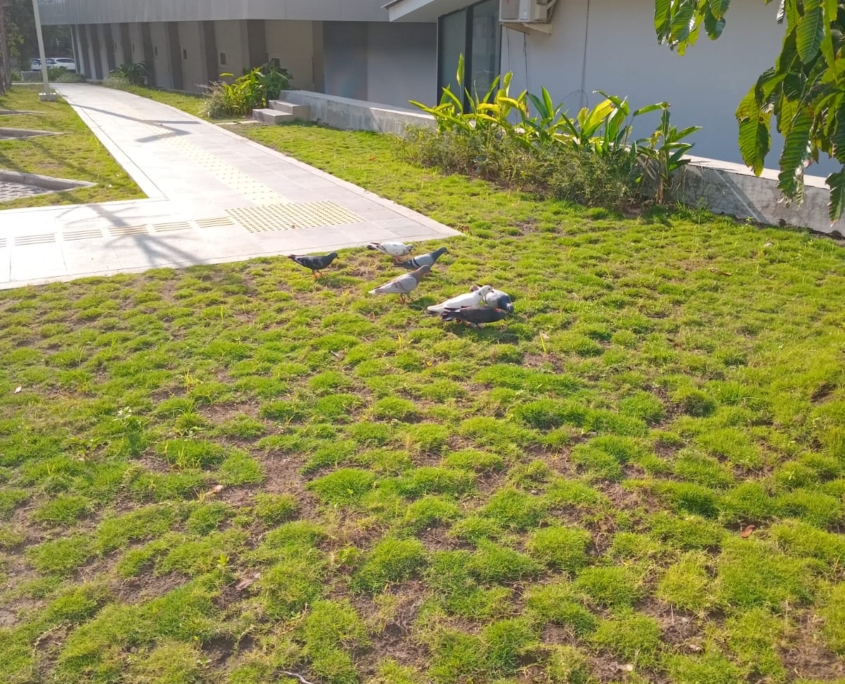
To ensure the continuity and scalability of these efforts, UII is planning to formalize comprehensive policies dedicated to ecosystem preservation. These policies will serve as a framework for integrating conservation principles into research, education, and community engagement activities.
By prioritizing the protection of threatened ecosystems, UII demonstrates its alignment with SDG 15: Life on Land, emphasizing the importance of sustaining biodiversity and natural habitats. These foundational efforts represent a significant step in the university’s journey toward environmental stewardship and global ecological responsibility.
Educational Programs on Ecosystems and Sustainability
UII has initiated foundational research efforts to address the conservation and expansion of threatened ecosystems. These early-stage initiatives reflect the university’s proactive approach to preserving biodiversity and protecting natural habitats. While still under development, they underscore UII’s recognition of the urgent need for ecological preservation and its commitment to fostering environmental resilience.
The university’s research focuses on identifying critical ecosystem vulnerabilities and exploring sustainable methods to mitigate threats. These initiatives lay the groundwork for a more robust and strategic response to biodiversity challenges, aligning with UII’s long-term vision for sustainable ecosystem management.
To ensure the continuity and scalability of these efforts, UII is planning to formalize comprehensive policies dedicated to ecosystem preservation. These policies will serve as a framework for integrating conservation principles into research, education, and community engagement activities.
By prioritizing the protection of threatened ecosystems, UII demonstrates its alignment with SDG 15: Life on Land, emphasizing the importance of sustaining biodiversity and natural habitats. These foundational efforts represent a significant step in the university’s journey toward environmental stewardship and global ecological responsibility.
Outreach for Sustainable Land Management
The Environmental Engineering program at UII is central to fostering sustainable land management and biodiversity conservation. Through its curriculum, students gain expertise in ecological preservation, sustainable practices, and innovative environmental solutions.
Graduates of the program are well-equipped to contribute to local and national initiatives focused on protecting terrestrial ecosystems. They engage in projects addressing land degradation, reforestation, and the sustainable use of natural resources, reflecting a practical application of their academic knowledge.
By aligning its program outcomes with SDG 15: Life on Land, UII ensures that its Environmental Engineering graduates are prepared to tackle pressing environmental challenges. Their work supports efforts to preserve biodiversity, restore ecosystems, and promote sustainability in Indonesia and beyond.
Education and Outreach on Sustainable Land and Tourism Management
Universitas Islam Indonesia (UII) recognizes the importance of sustainable land management and responsible tourism as part of its broader commitment to environmental stewardship and community empowerment. While the university does not currently offer a program dedicated exclusively to sustainable land management for tourism, UII integrates sustainability principles into various educational and outreach activities across disciplines.
Through programs in environmental engineering, business, and community development, UII equips students and local communities with the knowledge and skills to apply sustainable practices in different sectors, including tourism. These initiatives emphasize the balance between environmental preservation, economic growth, and community well-being.
By embedding sustainability education within its academic and community frameworks, UII contributes to the development of responsible tourism practices that align with the objectives of SDG 15 (Life on Land). The university’s ongoing efforts support the preservation of natural landscapes, the promotion of eco-friendly initiatives, and the advancement of sustainable development at both local and national levels.
UII’s Actions in Supporting Land Ecosystems
Conservation, Restoration, and Sustainable Use Policies
UII has embarked on research initiatives focused on crafting policies to conserve, restore, and sustainably use terrestrial ecosystems. These efforts encompass critical areas such as forests, mountains, and drylands, addressing ecosystems that are essential for biodiversity and human well-being.

This foundational work is designed to provide the knowledge and framework needed for future comprehensive policies. By focusing on preserving biodiversity and ensuring the continuity of ecosystem services, UII demonstrates its commitment to fostering environmental resilience and sustainability.
The research not only supports academic advancements but also contributes directly to practical solutions for ecosystem management. These efforts align closely with SDG 15: Life on Land, underscoring UII’s role in safeguarding natural habitats and promoting sustainable land use practices.
Inclusion of Local Biodiversity in Development Planning
UII integrates local biodiversity considerations into its campus planning and construction projects, reflecting its commitment to sustainable development. The university’s development framework prioritizes the preservation of natural habitats and minimizes ecosystem disruption by aligning construction activities with biodiversity conservation principles.
These efforts ensure that campus expansion supports ecological balance while maintaining the integrity of local ecosystems. Through such practices, UII not only reduces its environmental footprint but also fosters a campus environment that harmonizes with the surrounding natural landscape.
This approach exemplifies UII’s dedication to sustainable land use, contributing to long-term biodiversity protection and ecosystem health. These initiatives align with SDG 15: Life on Land, emphasizing the importance of sustainable management and conservation in development activities.
Mitigating Alien Species Impacts
UII has initiated the implementation of guidelines to mitigate the impact of invasive species within its campus. These measures aim to safeguard native flora and fauna, ensuring that the local ecosystem remains balanced and resilient. By prioritizing the control of invasive species, UII takes proactive steps toward preserving biodiversity and supporting the stability of its natural environment.
These preliminary efforts serve as a foundation for developing comprehensive policies dedicated to invasive species management. Through research, monitoring, and community engagement, UII strives to address this challenge effectively and sustainably.
Such initiatives highlight UII’s commitment to protecting biodiversity, aligning closely with SDG 15: Life on Land, which emphasizes the importance of preserving ecosystems and preventing the spread of invasive species. By integrating these practices into its sustainability framework, UII continues to contribute to ecological conservation and resilience.
Community Partnerships for Ecosystem Conservation
Through extensive tree-planting initiatives and active collaborations with local communities, UII has made significant contributions to conserving shared land ecosystems. These programs not only enhance the green cover within and around the university but also strengthen the ecological balance by fostering habitats for local flora and fauna.
UII’s tree-planting efforts are complemented by community outreach activities that emphasize sustainable land management practices. By involving local stakeholders in these initiatives, the university builds a sense of shared responsibility for environmental preservation and promotes the sustainable use of land resources.
These initiatives reflect UII’s dedication to maintaining local biodiversity while addressing broader environmental challenges, such as combating deforestation and mitigating climate change. They also contribute to the restoration and protection of ecosystems, aligning with SDG 15: Life on Land, which emphasizes sustainable land use and the conservation of biodiversity.
UII’s collaborative approach demonstrates the university’s commitment to fostering environmental stewardship, reinforcing its role as a leader in sustainability and community engagement.
UII’s Initiatives on Land-Sensitive Waste Disposal
Water Quality Standards and Guidelines
UII has established preliminary standards and guidelines to ensure water quality in campus discharges meets environmental and health protection goals. These measures aim to minimize the impact of campus activities on surrounding ecosystems, safeguarding both wildlife and human health.
The initial framework includes monitoring campus water runoff and waste discharge to ensure compliance with acceptable environmental standards. By addressing water quality proactively, UII contributes to the protection of aquatic and terrestrial ecosystems and prevents potential degradation caused by contaminants.
This initiative lays the groundwork for developing more comprehensive water management policies in the future. As UII expands its efforts, the university will continue to refine and implement strategies that promote sustainable water use and ecosystem conservation. These efforts directly support SDG 15: Life on Land, focusing on ecosystem preservation and biodiversity protection.
UII’s commitment to water quality management underscores its role in advancing sustainable campus operations while contributing to the broader goal of environmental stewardship.
Plastic Waste Reduction Policy
UII has introduced a preliminary policy aimed at reducing plastic waste on campus, emphasizing the importance of sustainable consumption and the reduction of pollution. This initial policy is a critical step toward minimizing the environmental impact of plastic waste on land ecosystems. By targeting plastic reduction, UII contributes to the broader goals of pollution control and resource conservation, aligned with SDG 15: Life on Land, which focuses on reducing pollution and promoting responsible land management practices.
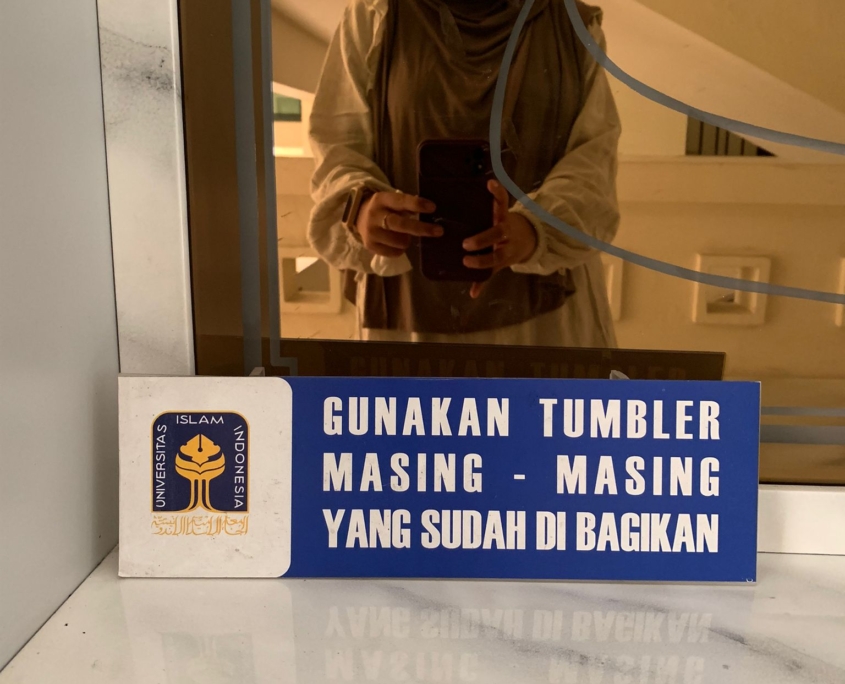
The policy includes initiatives to limit plastic usage, encourage recycling, and provide alternatives to single-use plastics. These actions are designed to protect the university’s land ecosystems and reduce waste accumulation, fostering a cleaner, more sustainable campus environment.
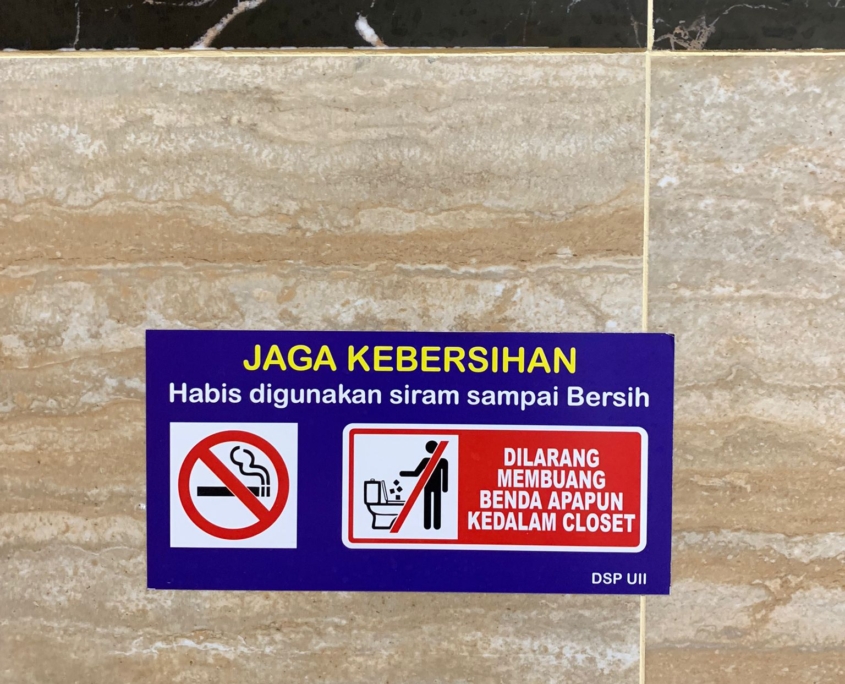
UII is committed to expanding this policy further, with plans to implement more effective waste management strategies and expand awareness programs across the campus community. As the policy evolves, UII aims to make a significant impact on both the local environment and global sustainability efforts.
Through this ongoing effort, UII is not only addressing the immediate issue of plastic pollution but also reinforcing its long-term commitment to sustainability and environmental stewardship.
Hazardous Waste Disposal Practices
UII has implemented initial practices for the safe disposal of hazardous materials, underscoring its commitment to responsible waste management. These foundational measures are designed to ensure the safe handling and disposal of hazardous substances, protecting both the environment and public health. By instituting these practices, UII contributes to reducing the negative environmental impacts of hazardous waste, supporting SDG 15: Life on Land, which includes goals for pollution prevention and environmental conservation.
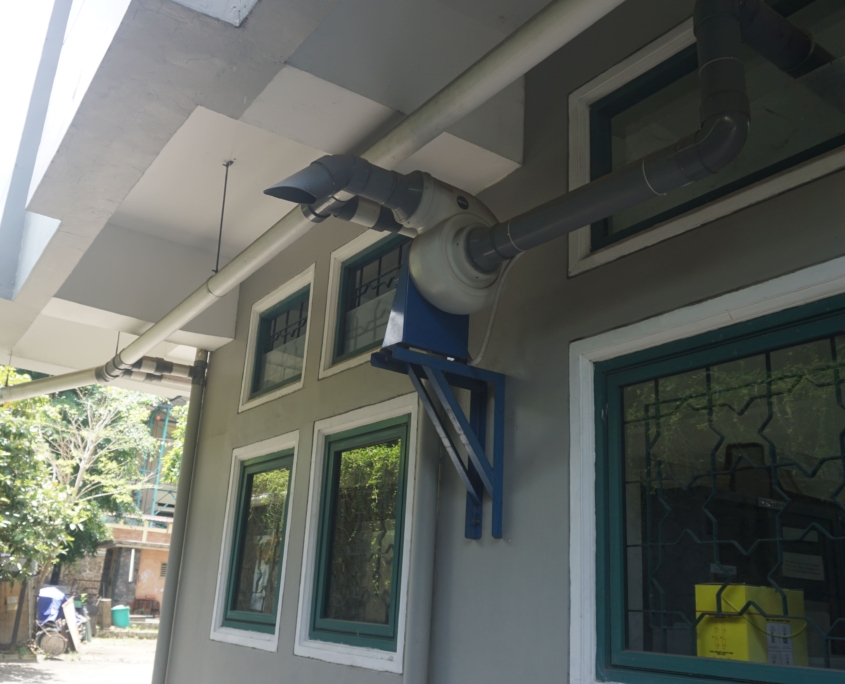
These practices serve as a critical first step towards establishing more comprehensive waste management strategies at UII. The university is working to expand and refine these approaches, incorporating best practices for handling, recycling, and disposing of hazardous materials in a way that minimizes ecological damage.

Through this commitment, UII aligns its operational practices with broader sustainability goals, contributing to the preservation of land ecosystems and public health. As the university continues to enhance its waste management strategies, it will play an active role in promoting environmental stewardship both within and beyond its campus.
UII’s progress in hazardous waste management demonstrates a responsible approach to sustainability, laying the groundwork for future improvements and ensuring the university’s long-term alignment with SDG 15’s objectives.